🏗️ Chapter 37: Rely on Systems to Scale
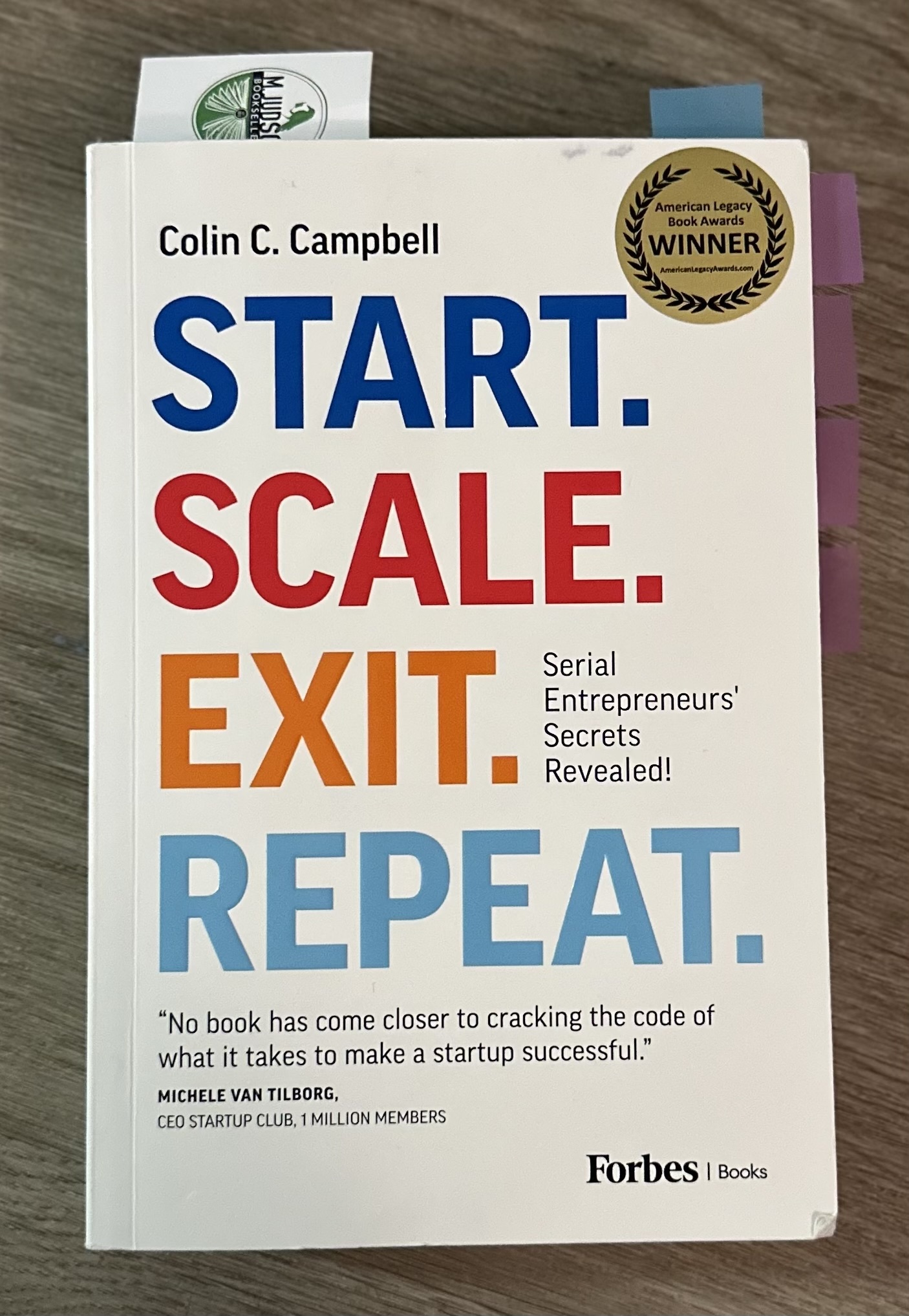
Start. Scale. Exit. Repeat.
Reflection Series
By Lewis Brent Parker Jr.
🎯 Intro: Systems Are the Skeleton of Scale
Scaling a business isn’t about working harder; it’s about working smarter, through systems.
In Chapter 37 of Start. Scale. Exit. Repeat., Colin C. Campbell (2023) underscores a decisive shift that founders must make: transitioning from heroic individual effort to systematic team execution. Founders who scale don’t just rely on talent; they rely on repeatable, teachable processes.
This chapter unpacks the brutal truth: without systems, your growth will collapse under its own weight. But with systems, you can turn chaos into consistency, and consistency into compounding momentum.
Systems aren’t just structure. They’re your company’s backbone.
And Campbell shows us how to build one that won’t break.
🧠 Key Lessons from Chapter 37
- Don’t Scale on Memory
In the early stages, everything might live in your head: passwords, processes, contacts, and routines. But as your company grows, relying on memory becomes a liability. If it’s not written down, it doesn’t exist. Systems transfer knowledge and prevent burnout (Campbell, 2023, p. 289).
- Scale with Systems, Not Superstars
Campbell warns against building your growth on individual rockstars. Great people help, but businesses that scale rapidly are those built on repeatable systems that anyone can follow (Campbell, 2023, p. 290).
- Document the Ordinary Before It Becomes Urgent
The mundane is what breaks when scale hits. How you onboard new hires, handle daily tasks, and manage communications must be documented before they overwhelm you (Campbell, 2023, p. 291).
- Hire for System Fit, Not Heroics
If your systems are solid, new hires don’t have to be superheroes. They need to follow the playbook. This reduces training time, prevents chaos, and builds consistency in customer experience (Campbell, 2023, p. 292).
- Codify Everything, Then Let Go
Letting go isn’t about giving up control. It’s about trusting your systems. Campbell shares how he stepped back from daily decisions by documenting everything and empowering others to follow his framework (Campbell, 2023, p. 293).
💡 Final Takeaway
Growth without systems is just organized chaos. Systems are what enable your business to scale, operate independently of you, and survive leadership transitions. If your business depends entirely on you, it’s not scalable. It’s fragile.
🔁 Coming Next
📖 Chapter 38: The Acquisition Trap – Why growth by acquisition isn’t always the shortcut it seems, and what to do instead.
💬 Share This With a Future Founder
Do you know someone building a business based solely on hard work and determination?
Share this reflection with them and remind them: 'Hustle fades, systems scale.'
📬 Subscribe to Resilience Repurposed
Want more insights from Start. Scale. Exit. Repeat. and behind-the-scenes founder reflections?
📬 Join the Blog
🎙 Listen to the Podcast
🔗 Explore All Projects
📚 References (APA Style)
Campbell, C. C. (2023). Start. Scale. Exit. Repeat. Miami, FL: Pitch Press.